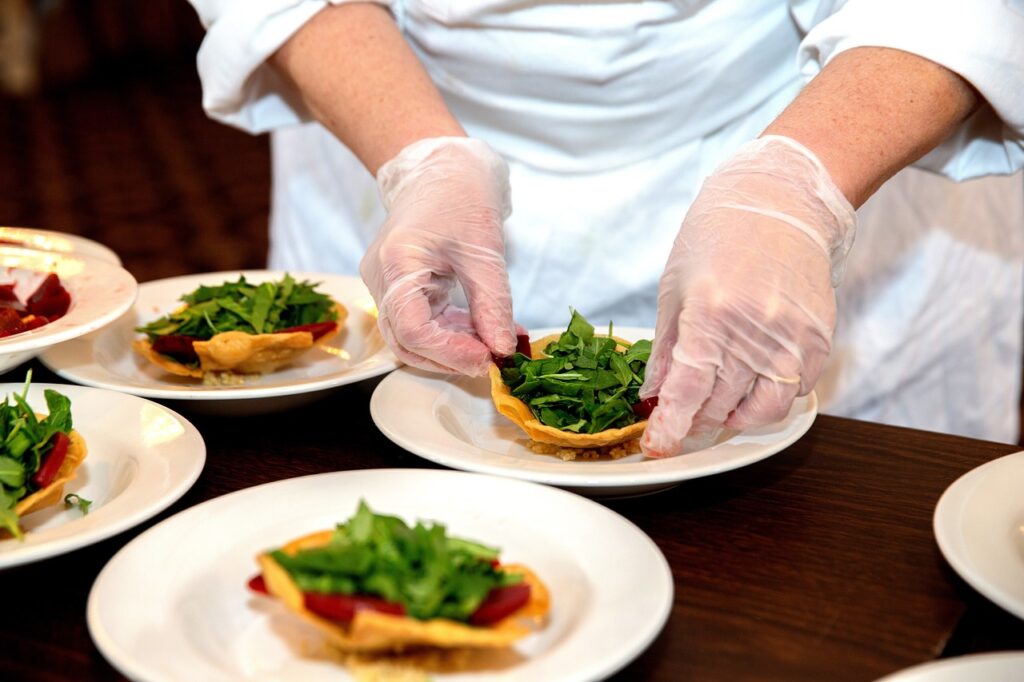

You’ve seen the glossy Instagram posts: a private chef dinner party, a chef standing over a beautifully plated dish, guests sipping wine and clapping, and everything looking effortlessly elegant. It’s enough to make anyone think, Wow, what a dream job! But here’s the crap no one tells you: being a private chef for dinner parties and special events is less “perfect plating” and more “culinary chaos meets Iron Chef in someone’s kitchen.”
Here’s what it’s really like when you’re the one behind the apron.
1. You’re Not Just a Chef—You’re the Whole Damn Show
Being a private chef for events isn’t just about cooking—it’s about performing. You’re expected to chat with guests, smile through critiques, and somehow make flaming dishes without actually setting the host’s curtains on fire.
It’s a little like being a magician, except instead of pulling a rabbit out of a hat, you’re making a soufflé rise in an oven you’ve never used before.
The Real Talk: People expect you to cook like Gordon Ramsay, entertain like Ellen, and clean up like Cinderella—all at the same time.
2. You’ll Cook in Kitchens That Are Barely Kitchens
Here’s a secret: most people’s kitchens aren’t set up for professional cooking. You’ll encounter:
- The “Looks Nice, Works Terribly” Kitchen: Sleek granite countertops but only one dull knife and a stove that’s more decorative than functional.
- The “Where’s the Oven?” Situation: Yes, some people forget to mention they don’t actually have an oven. Hope you brought your portable induction burner.
- The “How Do You Cook in This?” Disaster: Pots stored in the oven, a fridge that smells like science experiments, and zero counter space.
The Real Talk: Cooking in someone else’s kitchen is like driving an unfamiliar car—except the passengers are watching your every move while drinking wine.
3. Dietary Restrictions Will Be Your Nemesis
“Oh, by the way, Uncle Greg is keto, Aunt Sue doesn’t eat gluten, and my best friend just started a raw vegan diet.” As a private chef, you’ll hear this after you’ve finalized the menu. Suddenly, your perfectly planned courses need to be reworked into something that pleases everyone, without making it seem like you’re serving three separate meals.
The Real Talk: You’ll develop a love-hate relationship with the phrase “it’s just a small adjustment,” because it’s never a small adjustment.
4. Guests Will Test Your Patience
Most guests are lovely. But there’s always one. Maybe it’s the guy who “used to be a chef” and feels compelled to critique your every move. Or the person who sneaks into the kitchen to “help” and ends up rearranging your perfectly organized station.
And let’s not forget the questions:
- “Is that organic?”
- “How many calories are in this?”
- “Can I get the recipe?”
- “Do you mind making another batch of appetizers for my Instagram post?”
The Real Talk: You’ll need the patience of a saint and the poker face of a professional gambler.
5. Timing is Everything—and It’s Always Against You
The appetizers need to be out by 7:15. The main course should hit the table at 8:00. But the host’s speech runs 20 minutes over, and suddenly your perfectly cooked beef tenderloin is in danger of becoming beef jerky.
Adjusting on the fly is part of the job, but it’s not easy when guests are wandering in and out of the kitchen, asking for “just a little taste” of the sauce you painstakingly made from scratch.
The Real Talk: Being a private chef means managing not just the food, but the timeline, the host’s nerves, and the flow of the entire evening.
6. The Cleanup is Brutal
After the last dessert plate is cleared, the guests are sipping espresso, and everyone’s raving about the meal, you’d think the hard part is over. Nope. Now comes the cleanup—because a private chef doesn’t just cook; they leave the kitchen spotless.
You’ll scrub pans, wipe counters, and sometimes even take out the trash, all while dreaming of your own bed and wondering how a six-person dinner party generated enough dishes for a banquet.
The Real Talk: You don’t just leave kitchens cleaner than you found them—you leave them cleaner than they’ve ever been.
7. It’s Weirdly Rewarding
For all the chaos, there’s something magical about being a private chef for special events. You’re not just feeding people—you’re creating memories. When guests rave about your food or post glowing pictures online, it feels like a win. And when the host pulls you aside to say, “This was perfect,” it makes all the stress worth it.
Plus, you get a front-row seat to moments that matter: anniversary toasts, heartfelt speeches, and the occasional marriage proposal. Your food becomes part of the story, and that’s pretty damn cool.
The Real Talk: You’ll end every job exhausted, but there’s a weird satisfaction in knowing you’ve made someone’s special event unforgettable.
The Takeaway: More Than a Meal
Being a private chef for dinner parties and special events isn’t just about cooking—it’s about juggling personalities, adapting to the unexpected, and delivering a flawless experience under pressure. It’s chaotic, exhausting, and occasionally maddening, but it’s also one of the most rewarding ways to share your love of food.
So, next time you see a private chef in action, give them a nod of respect. They’re not just cooking—they’re performing a high-stakes dance with fire, knives, and a room full of expectant guests. And they make it look easy.
For more of our What No One Tells You series click here