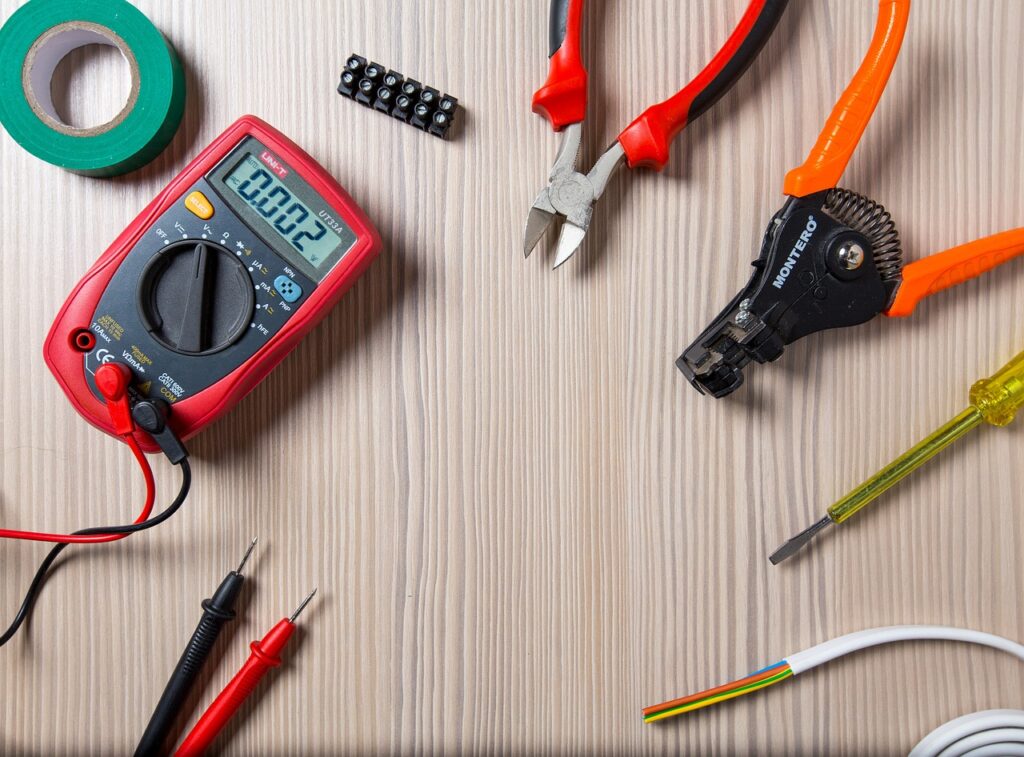
Ever looked at the wires running through your walls and thought, “How hard can this really be?” Well, that’s your first mistake. Being an electrician is far more than flipping switches and fixing outlets—it’s an industry packed with surprises, dangers, and quirks that most people never hear about. Let’s flip the circuit on what you think you know about electricians and dive into the untold truths of this fascinating profession.
Extreme Conditions: The Untold Reality of Electrical Work
Imagine crawling into an attic on a 96-degree day or wiring a home while it’s freezing outside. Electricians don’t get the luxury of working in climate-controlled environments. And here’s the kicker—no electricity means no air conditioning or heating. It’s a catch-22 for both the electrician and the homeowner.
One seasoned pro recalled a time when he was working outside in the dead of winter, only to have an office worker hold up a sign from the warmth of their window reading, “70 degrees in here.” The electrician responded with his own sign: “$35 an hour.” That’s right—these extreme conditions often come with decent pay, but they also demand grit and endurance.
Electricians Are Masters of Hidden Solutions
Ever wonder how electricians manage to run wires through your walls without turning your home into a construction site? One of the lesser-known skills in their arsenal is finding creative, almost magical, ways to route wiring invisibly. They use a mix of specialized tools, problem-solving, and sheer ingenuity to get wires where they need to go without tearing up your walls.
For example, electricians often rely on tools like fish tapes or glow rods to thread wires through tight spaces. In older homes, where construction quirks make straightforward routes impossible, they might even use small inspection holes and a bit of physics to “drop” a wire into place. It’s a meticulous process, and their ability to troubleshoot on the fly is what sets the pros apart from the amateurs. It’s not just about getting the job done—it’s about making it look like the job never happened.
DIY Electrical Work: The Disaster You Don’t See Coming
DIY enthusiasts, this one’s for you: electrical work is not like painting your bedroom or assembling IKEA furniture. There’s a reason electricians go through years of training and certification. The most common mistake DIYers make? Bad connections.
Connections are the backbone of electrical safety. Loose or improper connections can lead to heat buildup, carbon formation, and, worst-case scenario, fires. One electrician shared horror stories of seeing wires wrapped the wrong way around screws or people mixing wire gauges that aren’t compatible. A 20-amp breaker requires a 12-gauge wire, but some DIYers mix in a 14-gauge wire because they ran out. The result? A fire hazard waiting to happen.
The Electrical Code: Your Home’s Hidden Rulebook
The National Electrical Code is essentially the Bible for electricians. It’s thick, complex, and constantly updated to ensure safety and efficiency. Most homeowners don’t realize just how detailed it is. From specifying the type of wire you need to how many outlets you can have on a single circuit, it’s all in the code.
But here’s the thing—the code doesn’t teach electricians everything. Experience fills in the gaps. For instance, those “stab-in” connections at the back of outlets? They’re quick and easy for installers, but over time, they’re prone to failure. A seasoned electrician will avoid them entirely, opting for more reliable screw terminals.
Lighting Trends: From Basic to Brilliant
Remember those awful, curly compact fluorescent bulbs? They were supposed to be the future, but they fizzled out quickly. LEDs have taken their place, and for good reason. They’re more efficient, last longer, and have advanced to offer customizable color temperatures and dimming options.
One notable innovation is selectable color temperature. Many modern LED fixtures come with built-in switches that let you choose the warmth or coolness of your light. Want a cozy, yellowish glow in the evening? Switch it to 2700K. Need bright, daylight-like light for work? Go up to 5000K. An electrician can guide you through these options, ensuring your lighting suits your needs.
Not All Electricians Are Created Equal
The electrical industry is vast, with specialists in everything from commercial systems to home renovations. Some electricians focus on high-voltage work, like running massive cables for industrial equipment, while others are pros at installing delicate, custom kitchen lighting.
When hiring an electrician, ask about their specialty. A good rule of thumb? Choose someone who has experience with your specific project. As one pro put it, “You can’t be everything to everybody.” Trying to do it all often leads to disaster, both for the electrician and the customer.
Starting a Business as an Electrician: The Real Story
Many electricians dream of breaking away and starting their own business. It sounds exciting, but it’s no walk in the park. For starters, you need to be a jack-of-all-trades—handling not just the electrical work but also marketing, finances, and customer relationships.
One electrician shared his experience of launching his business with a single account and no real plan. It was a leap of faith, but it paid off. His advice? Trust your gut, learn to say no, and don’t overextend yourself. Trying to juggle too many projects can lead to burnout and unhappy customers.
The Future of the Trade
The trades have taken a hit in recent years as more people have been pushed toward college degrees. But here’s the truth: the demand for skilled electricians is only going up. With an increasing focus on renewable energy, smart home technology, and electrification, the industry is evolving rapidly.
Young people entering the field today have opportunities to work on cutting-edge projects, from solar panel installations to electric vehicle charging stations. And the pay? It’s nothing to scoff at. As the pool of skilled tradespeople shrinks, wages are expected to rise.
Advice for Aspiring Electricians
Thinking about becoming an electrician? Here’s what you need to know:
- Start Early: If you’re still in school, consider taking shop classes or a summer job with a contractor. It’s the best way to get a feel for the trade.
- Be Ready to Learn: The job requires ongoing education. Electricians need to stay up-to-date on code changes and new technologies.
- Develop a Thick Skin: You’ll start at the bottom, running for coffee and carrying heavy tools. But this “hazing” phase is a test of reliability and work ethic.
- Love the Work: If you enjoy working with your hands and solving problems, this career can be incredibly rewarding.
The Hidden Heroes of Your Home
Electricians are more than the people you call when the lights go out. They’re designers, problem-solvers, and safety experts rolled into one. From making your home more energy-efficient to ensuring it’s up to code, their work is integral to your daily life. So, next time you see an electrician sweating in your attic or untangling a mess of wires, give them a nod of appreciation—they’ve earned it.