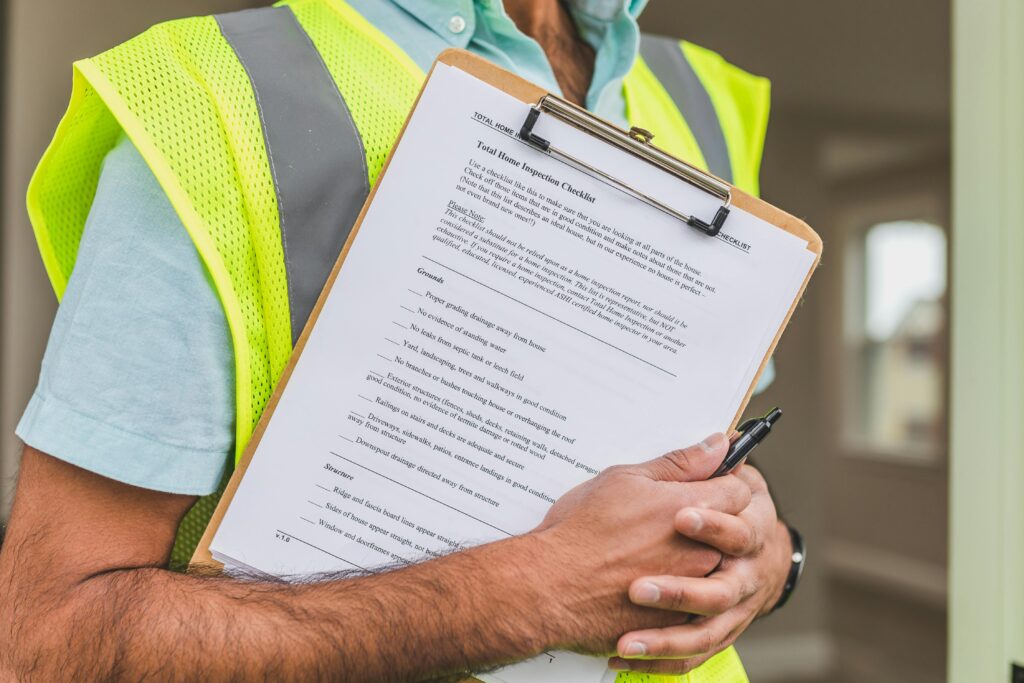

When you hear the term “home inspector,” you might think of someone poking around a house with a flashlight, making a long list of things wrong with it. But being a home inspector—and understanding what home inspections really entail—is far more nuanced and interesting than most people realize. Whether you’re a first-time buyer, a seller, or just someone curious about how homes are evaluated, there’s a lot more going on behind the scenes than meets the eye.
The Real Job of a Home Inspector: Not What You Think
Let’s clear up a common misconception: a home inspector’s job isn’t to “kill deals” or scare buyers away from a home. Instead, their role is to provide an objective, professional assessment of a property’s condition. They help buyers (and sometimes sellers) make informed decisions about one of the biggest investments of their lives.
Home inspectors act as neutral parties. They don’t work for the real estate agent, the seller, or even the buyer. Their job is to evaluate the home’s components—from the roof to the foundation—and give clients a clear picture of what they’re getting into. It’s not about passing or failing a house; it’s about empowering clients with knowledge.
More Than a Checklist: The Art of the Narrative Report
Modern home inspections go far beyond ticking boxes on a checklist. Many home inspectors create detailed narrative reports that serve as living documents for the homeowner. These reports don’t just outline problems; they also provide critical details about the home, such as the age of major systems, the type of roofing material, and the condition of appliances. It’s like getting a comprehensive user manual for your house.
The best inspectors approach this with a long-term mindset. A great report can help a homeowner years down the line when they need to reference the age of their water heater or remember when the roof was last replaced.
The Myth of the Perfect Inspection
Here’s a little-known fact: even newly built homes often have issues. Just because a house is brand new doesn’t mean it’s flawless. In fact, home inspectors frequently find missing insulation, improperly installed roofing materials, or incomplete electrical work in new builds. While code inspectors ensure homes meet minimum safety standards, a home inspector goes a step further by assessing the quality and functionality of the work. And quality isn’t always synonymous with “up to code.”
Older homes, meanwhile, come with their own quirks. Buyers often expect charm but forget that charm sometimes means outdated plumbing, aged wiring, or less-than-perfect insulation. Home inspectors bridge the gap between buyer expectations and reality, ensuring clients understand what they’re walking into.
The Unexpected Discovery Game
Every home inspection is unique, and inspectors have seen it all. One inspector shared a story about a seemingly charming waterfront home with stunning views. The catch? The entire foundation was compromised. Massive cracks mirrored each other on opposing walls, and the structure required extensive (and costly) underpinning. For the excited buyers, it was a crushing revelation, but catching this issue saved them from a financial disaster.
Inspectors also regularly encounter “lipstick on a pig” houses—properties that have been superficially spruced up to hide deeper issues. Think shiny new floors covering rotting subflooring or freshly painted walls disguising water damage. An experienced home inspector can spot these red flags a mile away.
Home Inspectors as Generalists: Why They Don’t “Fix” Problems
A home inspector’s role is to assess, not diagnose. For instance, they’ll note if your HVAC system isn’t performing well, but they won’t tear it apart to determine if the compressor is failing or the ductwork is clogged. That’s the job of a specialist. Think of a home inspector as a family doctor—they’ll give you a general health checkup and recommend specialists if needed.
This approach extends to other parts of the home. Inspectors visually assess readily accessible areas, but they don’t dismantle systems or use invasive techniques. If you’re buying a home and the inspection flags a potential issue with the foundation, electrical system, or HVAC, your next step is to bring in a professional for a deeper dive.
What You Might Miss Without a Home Inspector
While most buyers notice the big things—a crumbling roof, an ancient water heater—it’s the smaller, hidden problems that often go unnoticed. Home inspectors are trained to look for these details, which might include:
- Galvanized or lead piping: These outdated materials can lead to plumbing issues down the line.
- Reverse polarity outlets: A simple wiring mistake that poses a shock hazard.
- Improper grading: Poor drainage around the house can lead to water pooling near the foundation, a potential recipe for disaster.
- Mold growth: Mold doesn’t need much moisture to thrive, and it can appear in unexpected places, like metal surfaces with settled dust.
By catching these issues early, inspectors can save homeowners from costly surprises later.
The Power of Presentation: Why Delivery Matters
The way a home inspector presents findings can make or break the buying process. If they’re overly dramatic, even minor issues can cause unnecessary panic. On the flip side, downplaying a problem could lead to bigger headaches for the buyer later. The best inspectors strike a balance, offering realistic solutions and context for each finding.
For example, finding water in a basement doesn’t automatically mean you need a $30,000 French drain system. Sometimes, it’s as simple as fixing the grading around the house or extending the downspouts. A skilled inspector can help put these findings into perspective.
What About New Construction?
Think new homes are exempt from inspections? Think again. Home inspectors often find surprising issues in newly built houses, from missing attic insulation to improperly installed shingles. While you’d hope that a builder gets everything right the first time, not all builders prioritize quality over speed.
In one case, an inspector discovered that a builder had skipped insulating an entire attic space. While this might seem like an oversight, it could’ve led to significant heating and cooling costs for the homeowner. For buyers, a new home inspection ensures that their investment is as good as it looks on paper.
Relationships Matter: The Unsung Skill of a Home Inspector
Being a home inspector isn’t just about technical knowledge; it’s also about building trust. Inspectors often work closely with real estate agents, and their ability to present findings diplomatically can make or break these relationships. After all, no agent wants to work with someone who scares buyers away unnecessarily.
For buyers, this means finding an inspector who communicates clearly and keeps their best interests in mind. A good home inspector doesn’t just hand over a scary list of problems—they offer guidance on what’s urgent, what’s manageable, and what’s simply cosmetic.
Should You Skip an Inspection? Never.
The recent real estate frenzy has seen many buyers waiving home inspections to make their offers more competitive. While this might win you the house, it could cost you big down the line. Even if you’ve already purchased a home, a post-purchase inspection can help you identify and prioritize repairs before they escalate.
Home inspections aren’t just for buyers, either. Sellers can benefit from pre-listing inspections to address potential deal-breakers before their property hits the market. It’s all about being proactive.
Final Thoughts
A home inspector is your ally, not your adversary. They don’t exist to squash dreams—they’re there to help you make informed decisions, whether you’re buying your first house or upgrading to your forever home. From spotting hidden issues to offering peace of mind, their expertise is invaluable.
So, the next time you consider skipping a home inspection, remember: it’s not just about finding problems—it’s about understanding your home. Because in the end, a well-informed buyer is a confident buyer.
Listen to the full episode here!