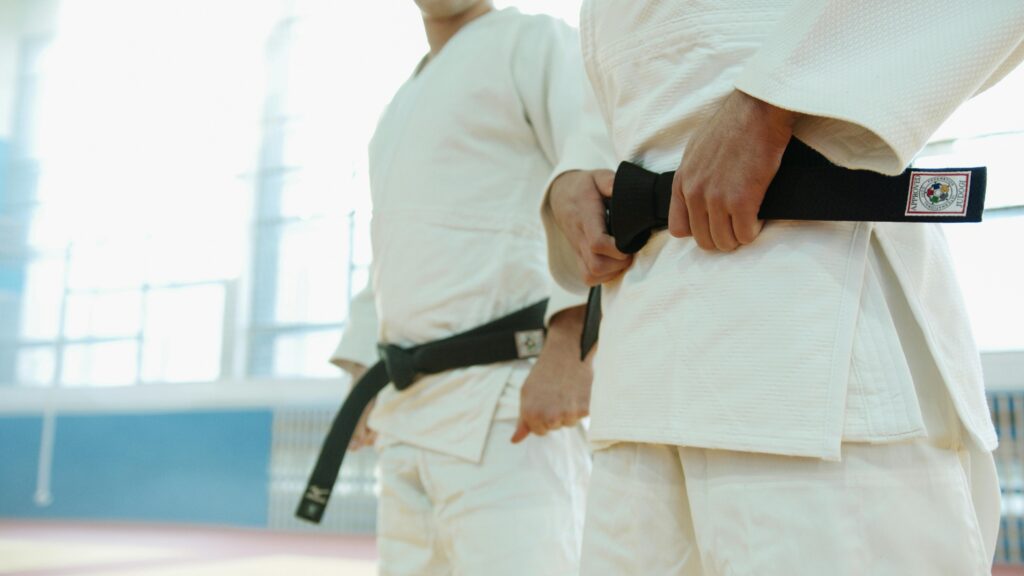

Starting a martial arts studio seems like a dream job. You imagine spending your days perfecting kicks, teaching passionate students, and basking in the respect that comes with the title of “Sensei.” But here’s the twist: running a martial arts studio isn’t just about punches and high-flying kicks—it’s also about cleaning mats, forging deep emotional connections, and, yes, even marketing. Let’s peel back the gi and explore what no one tells you about this unique path.
It’s Not Just Martial Arts—It’s Martial Hearts
Picture this: a young student walks into your studio for their first class. They’re shy, a little unsure of themselves, and maybe their parents are already skeptical about whether they’ll stick with it. As the instructor, your job isn’t just to teach them how to block a punch; it’s to unlock their confidence. You’re part teacher, part therapist, and part life coach.
One instructor shared a poignant story of a young boy who struggled with focus and discipline. The kid’s parents doubted he’d ever make it to a black belt. Yet, years later, this same boy had become an Eagle Scout and a second-degree black belt. The transformation wasn’t about his ability to perform flashy moves; it was about helping him find his best self. That’s the untold truth of martial arts: it’s as much about shaping lives as it is about mastering forms.
The Business Side: Less Cobra Kai, More Coffee Runs
You might think running a martial arts studio is all about guiding students to black belt glory. But here’s the reality: it’s also about learning to be an entrepreneur.
Running a martial arts studio means juggling multiple hats—marketer, event coordinator, customer service rep, and accountant. Saturdays could be spent at a community event, handing out flyers, or hosting a school fundraiser instead of sparring on the mats. You might even find yourself poring over old lead lists, calling parents, and inviting their kids back for a trial class.
It’s exhausting, yes, but the payoff is seeing your dojo grow—not just in numbers but in the community it builds. And if you can survive the grind, you’ll eventually have a team you can train to take over some of these tasks, freeing you to focus on your passion.
Every Student Has a Story (and You Become a Part of It)
One of the most surprising aspects of running a martial arts studio is how deeply intertwined your life becomes with your students’ journeys. One parent shared how their daughter, who had been struggling emotionally, left a class feeling like she had joined a family. Her revelation? “I’m part of the team now!” That sense of belonging is something unique to martial arts—it’s not about earning your spot but being embraced from day one.
But here’s the kicker: students come and go. A family might move on to soccer or gymnastics, or an adult student might drop out because life gets in the way. As a studio owner, it’s hard not to take this personally. You invest so much into these relationships, and losing a student can feel like losing a piece of your family. Learning to let go is an emotional black belt test of its own.
Not All Martial Arts Schools Are Created Equal
Choosing a martial arts school isn’t like picking a fast-food joint. Each one has a different flavor. Some focus on high-level competition, training with Olympic-level intensity. Others emphasize family and community, offering a gentler, more holistic approach. This diversity is what makes martial arts unique, but it also means that not every school is the right fit for every student.
If you’re a parent evaluating a school, don’t just look at the price tag. Consider the culture, the instructors, and their connection with your child. A welcoming environment and a clean, organized space often speak volumes about the school’s dedication to its craft and its students. And don’t be afraid to try different schools or styles until you find the right match.
Teaching Martial Arts Is a Journey, Not a Destination
Becoming a karate teacher isn’t just about earning a black belt and opening a studio. It’s about mastering the art of teaching itself. When one instructor started out, they thought their lifetime of training had prepared them for the role. They quickly realized that teaching is a whole new discipline, requiring patience, empathy, and an ability to adapt to every student’s needs.
For those aspiring to teach, start small. Assist in classes, learn from seasoned instructors, and understand the nuances of engaging with students. Whether you’re working with a hyperactive three-year-old or a 50-year-old returning to the sport after decades, each student will challenge you to grow in unexpected ways.
The Hidden Lessons of Martial Arts
Martial arts isn’t just a sport—it’s a way of life. Beyond the physical skills, it teaches discipline, focus, and perseverance. For many students, these lessons extend far beyond the dojo. They learn that showing up, putting in the effort, and striving for incremental progress can transform their lives.
Even as an instructor or studio owner, these lessons resonate. The daily grind of running a business, building connections, and overcoming setbacks mirrors the martial arts journey itself. You learn to push through challenges, celebrate small victories, and keep striving for the next goal.
Closing Thoughts: Building a Legacy
Running a martial arts studio isn’t just a job; it’s a calling. It’s about creating a space where people of all ages and abilities can come together, grow, and thrive. The work is hard, the hours long, and the emotional investment deep, but the rewards are unparalleled.
So, if you’re considering stepping into the world of martial arts as a teacher, student, or studio owner, embrace the challenges and savor the journey. After all, the belt around your waist is just a symbol—the real reward lies in the lives you touch along the way.
Listen to the full episode here!