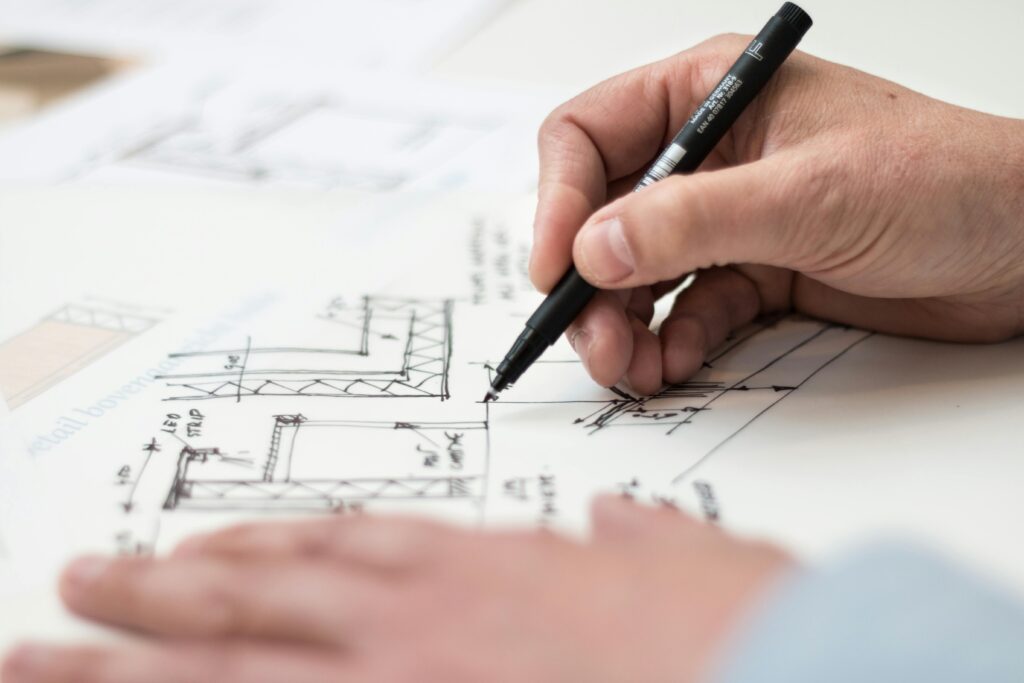

When you hear the word “architect,” what comes to mind? Skyscrapers piercing the sky, sprawling luxury mansions, or maybe the Sydney Opera House? Most people think architects spend their days sketching dazzling designs that redefine skylines. But what if I told you that being an architect is more about red tape, sleepless nights, and dodging metaphorical wrecking balls than glamorous moments in the spotlight? Buckle up—this is the stuff no one tells you about becoming and being an architect.
It’s Not About the Money, Honey
One of the first wake-up calls for budding architects comes early. During orientation, students are often told bluntly: “If you’re here to make money, you’re in the wrong place.” This isn’t an exaggeration. Unless you’re designing landmark buildings or running a firm, architects are far from rolling in cash.
The field is about passion, not paychecks. Think of architecture as a calling—you’ll need love for the craft to survive the grueling hours and competitive environment. It’s a world where your peers might spend three sleepless nights perfecting their design just to outshine the person sitting next to them.
But there’s a silver lining: the deep sense of satisfaction that comes with seeing your work take physical form. There’s nothing quite like walking past a building you’ve designed and thinking, I did that.
It’s a Brutal Bootcamp
Forget romanticized college experiences. Studying architecture is less toga party, more Navy SEAL training for your brain. Assignments are relentless, and deadlines? Ruthless. You might find yourself asked to distill your personality into 12 design sketches overnight, only to have your work shredded (figuratively) by a professor during critiques the next day. It’s a mental endurance test as much as an educational journey.
One architect recalls working under a professor who studied with Louis Kahn, a legendary figure in architecture. This mentor would ruthlessly dissect students’ designs but, in doing so, revealed the genius behind every element of a well-thought-out structure. The lesson? Architecture is a synthesis of art and engineering, requiring precision, creativity, and resilience.
Architecture Is Equal Parts Dreaming and Disaster Planning
The Hollywood version of architecture focuses on designing beautiful, awe-inspiring spaces. In reality, much of the work revolves around asking, What could possibly go wrong?
From hurricanes to fires, architects must account for every potential disaster. For instance, in Florida, buildings are being designed to withstand what’s known as a “Category 6” hurricane—even though this classification doesn’t officially exist yet. Picture engineers testing walls by shooting 2x4s at them at 200 mph to simulate flying debris during a storm. Welcome to the future of architecture, where Mother Nature isn’t pulling her punches, and neither can you.
Architects also play a role in adapting to cultural and societal shifts. Take senior living facilities: after COVID-19 swept through nursing homes, new regulations now require ventilation systems that rival clean rooms. Architects are rethinking designs to prioritize safety and future-proof buildings against unforeseen challenges.
You’ll Wear More Hats Than You Think
Designing pretty buildings? That’s maybe 10% of the job. The rest is project management, juggling a sea of regulations, and collaborating with consultants. Architects coordinate with engineers, contractors, and even lawyers to ensure every project meets a dizzying array of requirements.
Here’s a fun fact: architects often act as the “general manager” of a construction project. They’re responsible for overseeing teams of specialists, from structural engineers to fire safety consultants. On a mixed-use development project, for example, architects might handle retail layouts, apartment designs, and fire suppression systems—all while navigating zoning laws and environmental constraints. It’s like playing chess while solving a Rubik’s Cube.
Creativity Isn’t Always Free
Ever worked within tight constraints? Imagine being told to design a building around a contaminated piece of land you’re not allowed to disturb. Architects face challenges like this regularly. One team even had to design a structure where the roof could overhang a toxic zone, but the walls couldn’t touch it. Sound bizarre? Welcome to the profession.
And don’t forget the constant compromises. What starts as a grandiose vision can quickly become a budget-driven balancing act. Supply chain issues, skyrocketing material costs, and endless revisions can strip away some of that creative freedom. But for architects, problem-solving is part of the thrill.
Your Designs Shape Lives (and Cities)
While the logistics may seem overwhelming, architects wield incredible power. They don’t just design buildings—they create environments that influence how people live, work, and interact. Walkable communities are a growing trend, blending residential, retail, and recreational spaces into cohesive neighborhoods. These aren’t just convenient; they foster a sense of belonging and reduce reliance on cars.
Think about it: architects are literally designing the future. They’re shaping how the next generation will live and work, especially as priorities shift post-pandemic. From creating home offices for remote work to reimagining senior housing, architects are leading the charge in adapting to new lifestyles.
It’s a Never-Ending Learning Curve
Architecture is not a static profession. Building codes evolve, technology advances, and societal needs shift. Architects must stay ahead of these changes, whether it’s mastering new design software or understanding cutting-edge materials.
Technology like virtual reality (VR) is becoming a game-changer. Imagine walking through a 3D rendering of a building before it’s even built, changing the color of cabinets or the layout of a room with a glance. While expensive now, these tools are making projects more collaborative and immersive.
Want to Become an Architect? Start Here
If you’re dreaming of becoming an architect, here’s the advice they don’t tell you in school: learn how things are built. Spend a summer working construction or framing houses. Understanding how materials come together in the real world will make you invaluable to any architecture firm.
And don’t underestimate the importance of resilience. This is not a career for the faint of heart. But if you’re up for the challenge, architecture offers a rare combination of creativity, technical mastery, and the chance to leave a tangible legacy.
The Takeaway
Being an architect is as much about navigating constraints as it is about unleashing creativity. It’s a profession of endless learning, sleepless nights, and unparalleled rewards. Whether you’re drafting blueprints or managing a complex project, every decision an architect makes shapes the way people experience the world.
So, next time you walk through a building or sit in a carefully designed space, remember the unseen struggles behind its creation. Being an architect isn’t glamorous—but it’s undoubtedly extraordinary.
Listen to the full episode here!