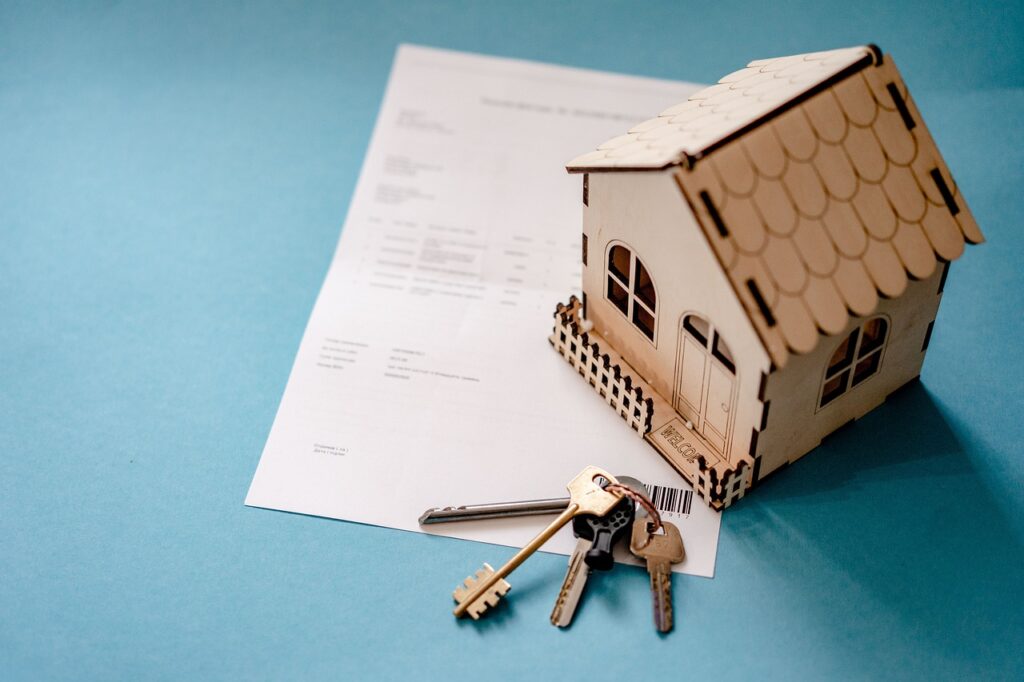

When most people hear the word “mortgage,” they picture rigid, one-size-fits-all loans and intimidating numbers scrawled across endless documents. For many, the thought of entering the mortgage world feels overwhelming, especially when myths about strict down payments, spotless credit scores, and hefty savings accounts keep swirling around. But here’s the truth: the mortgage industry is far more creative, flexible, and, dare I say, approachable than you think.
Let’s dive into some lesser-known aspects of mortgages—the ones no one talks about but could make a world of difference for aspiring homeowners, seasoned investors, and everyone in between.
1. A Mortgage Isn’t Just a Mortgage
Contrary to popular belief, a mortgage isn’t a one-size-fits-all situation. Just like buying a car, there are countless options tailored to fit your unique circumstances. You might think the term “mortgage” means one single product, but the reality is that there are a myriad of options out there—each with its quirks and advantages.
For example, jumbo loans alone come with an array of choices depending on your needs. There are bank statement loans, perfect for the self-employed who don’t fit into traditional qualification boxes, and even asset depletion loans that allow borrowers to qualify based on their assets rather than their income.
Take this: an investor might use something called a cash flow loan, which allows them to qualify for a mortgage based purely on rental income. No tax returns, no employment documentation—just a clear match between rent income and the mortgage payment. Sure, the rates might be slightly higher, but it’s an invaluable tool for those who want to build real estate portfolios.
2. “You Need 20% Down” Is a Total Myth
One of the most enduring myths in real estate is the belief that you need to put down 20% of the home’s value to qualify for a mortgage. Newsflash: that’s not true.
Many programs allow for low or even zero down payments, especially for first-time buyers or those in certain income brackets. There are FHA loans with as little as 3.5% down and various state-funded programs that offer grants or loans to cover down payments and closing costs. Some programs, especially those for rural areas or specific professions, don’t require a down payment at all.
Let’s be clear: a big down payment isn’t always the smartest financial move. Depending on your situation, putting less down and keeping your cash available for emergencies, investments, or retirement savings might actually make more sense. A great mortgage advisor won’t just push you toward a specific number—they’ll help you understand your options so you can make the right choice for you.
3. Timing Matters, but It’s Never Too Early to Start Talking Mortgages
Here’s an insider tip: the earlier you start talking to a professional, the better. Whether you’re planning to buy next month or five years from now, sitting down with someone who understands the complexities of the mortgage industry can save you time, money, and frustration.
In fact, some of the best mortgage strategies start years before the purchase. For example:
- Self-employed? You might need to structure your income differently to qualify.
- Struggling with credit? A good advisor can guide you on boosting your score to unlock better rates and products.
- Want to invest in property? It might be worth exploring a multi-family home for your first purchase, using rental income to offset your mortgage and build equity faster.
For one couple, qualifying for a mortgage under just one spouse’s name freed up financial flexibility for future investment properties. These strategies aren’t obvious to the untrained eye but can make a monumental difference in long-term financial goals.
4. Divorce, Rentals, and Creative Mortgage Solutions
Think mortgages are just for straightforward home purchases? Think again. The mortgage industry touches almost every aspect of housing, from divorce settlements to rental properties.
Divorces, for example, often involve figuring out what happens to the marital home. A savvy mortgage professional can help you navigate the financial implications, ensuring one spouse can buy out the other or transition smoothly to new housing.
Rentals, too, offer a world of creative options. Want to invest but avoid massive upfront costs? Consider buying a duplex with an FHA loan, which requires as little as 3.5% down. Live in one unit, rent out the other, and when the time comes to move, you’ve got a ready-made investment property. With strategies like these, your first home can be a stepping stone into the world of real estate.
5. Education Is Key: Why You Should Never Go It Alone
While the internet might make it tempting to apply for a mortgage with a few clicks, there’s nothing quite like working with someone who understands the intricacies of the process. Mortgage brokers who prioritize education—rather than just making a sale—can transform the experience from stressful to empowering.
Some lenders work with local nonprofits, offer homebuyer seminars, and build entire networks of support, from realtors to title agents. These resources help first-time buyers feel confident, informed, and equipped to make smart financial decisions. Whether it’s guiding a young family into their first home or educating employees of a nursing home about buying closer to work, these efforts show how mortgages aren’t just about homes—they’re about building communities.
6. The Self-Employed Are No Longer Left Out
It used to be that being self-employed was a red flag for mortgage lenders. Not anymore. Today, there are tools and programs designed specifically for entrepreneurs, freelancers, and small business owners.
For example, instead of relying solely on tax returns (which often underreport income for tax-saving purposes), some lenders can qualify self-employed borrowers based on:
- Bank statements (personal or business).
- Asset depletion, where savings and investments are converted into qualifying income.
- Rental income, particularly for investors.
These programs offer flexibility and opportunity for people who historically found it difficult to qualify for traditional loans.
7. Owning a Home Is Closer Than You Think
The biggest misconception? Thinking homeownership is out of reach. Many people believe they can’t afford to buy a home because they don’t realize how many options exist. From government grants to seller assist programs, there’s an abundance of resources designed to make homeownership accessible.
Take the story of a woman who worked for seven years to improve her credit and save for her first home. With the right guidance, she went from feeling like homeownership was impossible to finally getting the keys to her own place. Stories like hers are proof that it’s never too late—and that the right mortgage team can make all the difference.
Final Thoughts: Breaking Down Barriers
Buying a home isn’t just about numbers and paperwork; it’s about creating a foundation for your future. The mortgage industry, often seen as cold and impersonal, is actually full of people who love nothing more than helping others achieve their dreams. The key? Finding the right guide—someone who will educate, advocate, and tailor solutions to your unique situation.
So if you’ve been dreaming of owning a home, don’t let fear or misinformation stop you. Start the conversation today. Whether it’s understanding your credit, exploring down payment assistance programs, or simply seeing what’s possible, the road to homeownership might be closer than you think.
Listen to the full episode here!